
A Guide to Choosing the Right Contractor for Your Project

An essential step in guaranteeing the success of your project is selecting the most suitable contractor for the work that needs to be done. Finding a contractor that is reliable and skilled can make all the difference in the world, regardless of whether you are planning a Home renovation, a new build, or any other kind of construction work. In this all-encompassing guide, we will present you with the key steps to take in order to select the most suitable contractor for your project. This will ensure that your project is carried out without any problems and lives up to your expectations.
Why It Is Crucial to Select the Appropriate House Contractors
The Effects That Your Project Will Have
Your decision on the contractor to hire will have a significant impact on the final result of your project. A poor decision can result in delays, subpar work, and unexpected expenses, whereas a professional contractor guarantees excellent work, guarantees that deadlines will be met, and guarantees that the budget will be maintained.
Staying Away From Common Mistakes
When you select the incorrect contractor, you run the risk of experiencing a multitude of problems, including unfinished projects, legal conflicts, and financial losses. When you have a good understanding of what to look for in a contractor, you can avoid these typical traps and guarantee that your experience with the project goes smoothly.
Carrying out Research on Possible Contractors
Gathering Recommendations
To begin, solicit recommendations from people you know, including friends, family, and coworkers. Referrals from satisfied customers by word of mouth are extremely significant since they originate from reliable individuals who have personal experience with the contractor’s work
Evaluations and Rankings Found Online
Examine the ratings and reviews that may be found on the internet on websites such as Yelp, Google, and the Better Business Bureau. In order to obtain a well-rounded perspective on the contractor’s work, it is important to pay attention to both favorable and negative reviews.
A Presence on Social Media and the Internet
Take a look at the contractor’s website as well as their social media profiles. Many times, a well-established company can be identified by its professional presence on the internet. Keep an eye out for portfolios, testimonials from previous clients, and any indications of their most recent projects.
Evidence of Experience and Credentials Verification
Insuring and obtaining licences
Check to see that the contractor possesses the appropriate licenses and insurance, which are prerequisites in your region. This shields you from legal responsibility and guarantees that the contractor complies with all of the local legislation and standards.
Credentials and Instructional Programmes
Examine the ratings and reviews that may be found on the internet on websites such as Yelp, Google, and the Better Business Bureau. In order to obtain a well-rounded perspective on the contractor’s work, it is important to pay attention to both favorable and negative reviews.
Relevant Project Experience
Ensure that the contractor has previous experience working on projects similar to the one you are planning. When it comes to commercial construction, it is possible that a contractor that specialises in house renovations is not the ideal option.
Placing Requests for Bids and Judging Them
Written Estimates That Are Detailed
Make sure you get extensive written estimates from a number of different contractors. All of them should cover the costs of labor, materials, and any other expenses that may arise. For the purpose of better understanding what each contractor is giving and making it simpler to compare bids, detailed estimates are really helpful.
Acquiring an Understanding of the Work Scope
In each estimate, you should make sure that a clear scope of work is included. Not only does this assist prevent misunderstandings in the future, but it also describes the tasks that will be accomplished.
Alert yourself to lowball offers
The bids that are much lower than the rest should be approached with caution. There is a possibility that this is a warning sign for possible shortcuts in the materials or workmanship, which could result in increased prices in the future.
Interrogation and Interviewing

Putting Together Questions
Prepare a list of questions for prospective contractors. Ask about previous projects, estimated timelines, and how they handle unexpected issues.

Evaluate Communication Skills
Assess the contractor's communication skills during the interview. Clear and effective communication is crucial for a successful working relationship and project execution.

Performing Reference Checks
Request references from previous clients and contact them. This provides insights into the contractor's reliability, work quality, and customer satisfaction.
Evidence of Experience and Credentials Verification
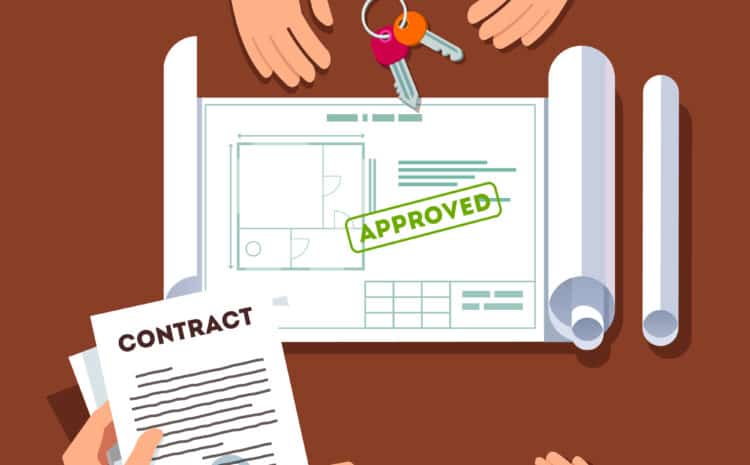
The Essential Components of a Contract
Ensure that the contract contains essential components such as payment schedules, timetables for the project, and precise descriptions of the work that is to be carried out. Having a contract that is well-written protects both parties and makes it clear what is expected of them.
Responsibilities Regarding Legal Matters and Permits
Be clear about who will be responsible for collecting the appropriate permits and making sure that the project conforms with the local norms and codes that govern building construction. In most cases, the contractor is the one responsible for this, although it is important to provide written confirmation.
Alteration Requests and Unanticipated Events
Address the manner in which modifications to the project will be managed. Documentation of change orders have to be done in writing, and any additional expenses or alterations to the timeline ought to be specified in particular detail.
Keeping an Eye on the Operation
Meetings and updates on a regular basis
Maintain your participation in the project by arranging to meet with your contractor and receive regular information on the situation. This allows you to be updated about the progress being made and to resolve any issues in a timely manner.
Control of Quality and Physical Inspections
Make sure that the work is up to your requirements by conducting inspections on a regular basis. In the event that something is not completed to your satisfaction, do not be afraid to request that it be corrected.
Resolution of Conflicts
It is important to have a procedure for dealing with disagreements and disputes. Without resorting to legal action, problems can be resolved through clear communication and a contract that has been carefully negotiated.
Assuring the Successful Completion of the Task
The Closing Walkthrough
Before you make the final payment, you should conduct a final walkthrough with your contractor. You should make sure that all of the work has been finished to your satisfaction and that any problems have been resolved.
The Accumulation of Documentation
Request any and all documents that may be required, such as warranties, receipts, and any and all instructions for future maintenance. When it comes to future reference and the possibility of reselling your house, these documents are absolutely necessary.
The act of leaving reviews and comments
Following the completion of the job, you should provide your contractor with recommendations and comments. This enables other homes to make judgements based on accurate information and provides support to neighbourhood contractors that have a good reputation.
Final Thoughts
It is important to conduct thorough research, conduct rigorous vetting, and communicate clearly in order to select the most suitable contractor for your project. You will be able to guarantee that your project will be finished effectively, on schedule, and without exceeding the budget if you follow the steps that are provided in this article. Always keep in mind that the appropriate contractor has the potential to transform your idea into a reality, but the wrong decision can result in frustration and disappointment. If you choose your options carefully, you will be able to enjoy the benefits of a job well done to you.
Contact Us
Fill all information details to consult with us to get sevices from us
Learn More From Frequently Asked Questions
If you want accurate estimates, you should look for those that include a timeframe, itemised prices, and a defined scope of work. Check to see that the bid is reasonable and comparable to the other offers you have received.
The appropriate licencing, insurance, and any certificates that are pertinent should be checked. You may also check their position with the local business associations and look at the comments they have received from previous customers.
Immediately address any delays that have occurred through transparent communication. If you want to know the specific timetables and potential fines for delays, you should consult your contract. One possible last resort is to take legal action.
In the beginning, you should talk to your contractor about any potential contingencies. Any change orders should be documented in writing, including a description of the additional costs and the amount of time that would be necessary.
Yes, you are able to negotiate terms, and you should do so in order to provide clarity and safeguard your interests. Ensure that the final contract has documentation of all revisions that have been agreed upon.